vue.js入門(3)——詳解組件通信
編輯:關於JavaScript
本文介紹vue.js組件,具體如下:
5.2 組件通信
盡管子組件可以用this.$parent訪問它的父組件及其父鏈上任意的實例,不過子組件應當避免直接依賴父組件的數據,盡量顯式地使用 props 傳遞數據。另外,在子組件中修改父組件的狀態是非常糟糕的做法,因為:
1.這讓父組件與子組件緊密地耦合;
2.只看父組件,很難理解父組件的狀態。因為它可能被任意子組件修改!理想情況下,只有組件自己能修改它的狀態。
每個Vue實例都是一個事件觸發器:
- $on()——監聽事件。
- $emit()——把事件沿著作用域鏈向上派送。(觸發事件)
- $dispatch()——派發事件,事件沿著父鏈冒泡。
- $broadcast()——廣播事件,事件向下傳導給所有的後代。
5.2.1 監聽與觸發
v-on監聽自定義事件:
<!DOCTYPE html>
<html>
  <head>
    <meta charset="UTF-8">
    <title></title>
  </head>
  <body>
    <!--子組件模板-->
    <template id="child-template">
      <input v-model="msg" />
      <button v-on:click="notify">Dispatch Event</button>
    </template>
    <!--父組件模板-->
    <div id="events-example">
      <p>Messages: {{ messages | json }}</p>
      <child v-on:child-msg="handleIt"></child>
    </div>
  </body>
  <script src="js/vue.js"></script>
  <script>
//    注冊子組件
//    將當前消息派發出去
    Vue.component('child', {
      template: '#child-template',
      data: function (){
        return { msg: 'hello' }
      },
      methods: {
        notify: function() {
          if(this.msg.trim()){
            this.$dispatch('child-msg',this.msg);
            this.msg = '';
          }
        }
      }
    })
//    初始化父組件
//    在收到消息時將事件推入一個數組中
    var parent = new Vue({
      el: '#events-example',
      data: {
        messages: []
      },
      methods:{
        'handleIt': function(){
          alert("a");
        }
      }
    })
  </script>
</html>
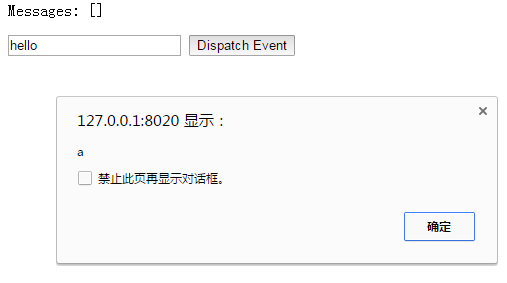
父組件可以在使用子組件的地方直接用 v-on 來監聽子組件觸發的事件:
<!DOCTYPE html>
<html>
  <head>
    <meta charset="UTF-8">
    <title></title>
  </head>
  <body>
    <div id="counter-event-example">
     <p>{{ total }}</p>
     <button-counter v-on:increment="incrementTotal"></button-counter>
     <button-counter v-on:increment="incrementTotal"></button-counter>
    </div>
  </body>
  <script src="js/vue.js" type="text/javascript" charset="utf-8"></script>
  <script type="text/javascript">
    Vue.component('button-counter', {
     template: '<button v-on:click="increment">{{ counter }}</button>',
     data: function () {
      return {
       counter: 0
      }
     },
     methods: {
      increment: function () {
       this.counter += 1
       this.$emit('increment')
      }
     },
    })
    new Vue({
     el: '#counter-event-example',
     data: {
      total: 0
     },
     methods: {
      incrementTotal: function () {
       this.total += 1
      }
     }
    })
  </script>
</html>


在某個組件的根元素上監聽一個原生事件。可以使用 .native 修飾v-on 。例如:
<my-component v-on:click.native="doTheThing"></my-component>
5.2.2 派發事件——$dispatch()
<!DOCTYPE html>
<html>
  <head>
    <meta charset="UTF-8">
    <title></title>
  </head>
  <body>
    <div id="app">
      <p>Messages: {{ messages | json }}</p>
      <child-component></child-component>
    </div>
    <template id="child-component">
      <input v-model="msg" />
      <button v-on:click="notify">Dispatch Event</button>
    </template>

  <script src="js/vue.js"></script>
  <script>
    // 注冊子組件
    Vue.component('child-component', {
      template: '#child-component',
      data: function() {
        return {
          msg: ''
        }
      },
      methods: {
        notify: function() {
          if (this.msg.trim()) {
            this.$dispatch('child-msg', this.msg)
            this.msg = ''
          }
        }
      }
    })

    // 初始化父組件
    new Vue({
      el: '#app',
      data: {
        messages: []
      },
      events: {
        'child-msg': function(msg) {
          this.messages.push(msg)
        }
      }
    })
  </script>
  </body>
</html>
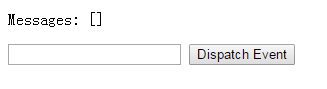
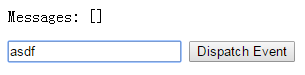
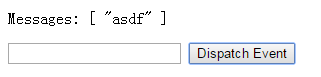
- 子組件的button元素綁定了click事件,該事件指向notify方法
- 子組件的notify方法在處理時,調用了$dispatch,將事件派發到父組件的child-msg事件,並給該該事件提供了一個msg參數
- 父組件的events選項中定義了child-msg事件,父組件接收到子組件的派發後,調用child-msg事件。
5.2.3 廣播事件——$broadcast()
<!DOCTYPE html>
<html>
  <head>
    <meta charset="UTF-8">
    <title></title>
  </head>
  <body>
    <div id="app">
      <input v-model="msg" />
      <button v-on:click="notify">Broadcast Event</button>
      <child-component></child-component>
    </div>

    <template id="child-component">
      <ul>
        <li v-for="item in messages">
          父組件錄入了信息:{{ item }}
        </li>
      </ul>
    </template>

  <script src="js/vue.js"></script>
  <script>
    // 注冊子組件
    Vue.component('child-component', {
      template: '#child-component',
      data: function() {
        return {
          messages: []
        }
      },
      events: {
        'parent-msg': function(msg) {
          this.messages.push(msg)
        }
      }
    })
    // 初始化父組件
    new Vue({
      el: '#app',
      data: {
        msg: ''
      },
      methods: {
        notify: function() {
          if (this.msg.trim()) {
            this.$broadcast('parent-msg', this.msg)
          }
        }
      }
    })
  </script>
  </body>
</html>
和派發事件相反。前者在子組件綁定,調用$dispatch派發到父組件;後者在父組件中綁定,調用$broadcast廣播到子組件。
5.2.4 父子組件之間的訪問
- 父組件訪問子組件:使用$children或$refs
- 子組件訪問父組件:使用$parent
- 子組件訪問根組件:使用$root
$children:
<!DOCTYPE html>
<html>
  <head>
    <meta charset="UTF-8">
    <title></title>
  </head>
  <body>
    <div id="app">
      <parent-component></parent-component>
    </div>

    <template id="parent-component">
      <child-component1></child-component1>
      <child-component2></child-component2>
      <button v-on:click="showChildComponentData">顯示子組件的數據</button>
    </template>

    <template id="child-component1">
      <h2>This is child component 1</h2>
    </template>

    <template id="child-component2">
      <h2>This is child component 2</h2>
    </template>
    <script src="js/vue.js"></script>
    <script>
      Vue.component('parent-component', {
        template: '#parent-component',
        components: {
          'child-component1': {
            template: '#child-component1',
            data: function() {
              return {
                msg: 'child component 111111'
              }
            }
          },
          'child-component2': {
            template: '#child-component2',
            data: function() {
              return {
                msg: 'child component 222222'
              }
            }
          }
        },
        methods: {
          showChildComponentData: function() {
            for (var i = 0; i < this.$children.length; i++) {
              alert(this.$children[i].msg)
            }
          }
        }
      })

      new Vue({
        el: '#app'
      })
    </script>
  </body>
</html>
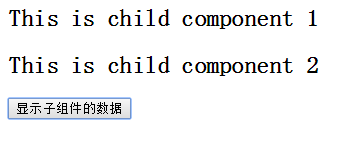
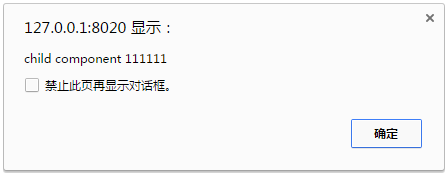
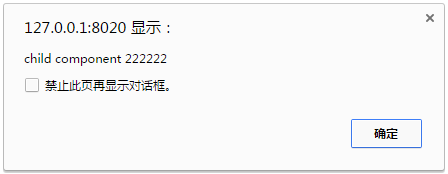
$ref可以給子組件指定索引ID:
<!DOCTYPE html>
<html>
  <head>
    <meta charset="UTF-8">
    <title></title>
  </head>
  <body>
    <div id="app">
      <parent-component></parent-component>
    </div>

    <template id="parent-component">
      <!--<child-component1></child-component1>
      <child-component2></child-component2>-->
      <child-component1 v-ref:cc1></child-component1>
      <child-component2 v-ref:cc2></child-component2>
      <button v-on:click="showChildComponentData">顯示子組件的數據</button>
    </template>

    <template id="child-component1">
      <h2>This is child component 1</h2>
    </template>

    <template id="child-component2">
      <h2>This is child component 2</h2>
    </template>
    <script src="js/vue.js"></script>
    <script>
      Vue.component('parent-component', {
        template: '#parent-component',
        components: {
          'child-component1': {
            template: '#child-component1',
            data: function() {
              return {
                msg: 'child component 111111'
              }
            }
          },
          'child-component2': {
            template: '#child-component2',
            data: function() {
              return {
                msg: 'child component 222222'
              }
            }
          }
        },
        methods: {
          showChildComponentData: function() {
//            for (var i = 0; i < this.$children.length; i++) {
//              alert(this.$children[i].msg)
//            }
            alert(this.$refs.cc1.msg);
            alert(this.$refs.cc2.msg);
          }
        }
      })
      new Vue({
        el: '#app'
      })
    </script>
  </body>
</html>
效果與$children相同。
$parent:
<!DOCTYPE html>
<html>
  <head>
    <meta charset="UTF-8">
    <title></title>
  </head>
  <body>
    <div id="app">
      <parent-component></parent-component>
    </div>

    <template id="parent-component">
      <child-component></child-component>
    </template>

    <template id="child-component">
      <h2>This is a child component</h2>
      <button v-on:click="showParentComponentData">顯示父組件的數據</button>
    </template>

    <script src="js/vue.js"></script>
    <script>
      Vue.component('parent-component', {
        template: '#parent-component',
        components: {
          'child-component': {
            template: '#child-component',
            methods: {
              showParentComponentData: function() {
                alert(this.$parent.msg)
              }
            }
          }
        },
        data: function() {
          return {
            msg: 'parent component message'
          }
        }
      })
      new Vue({
        el: '#app'
      })
    </script>
  </body>
</html>
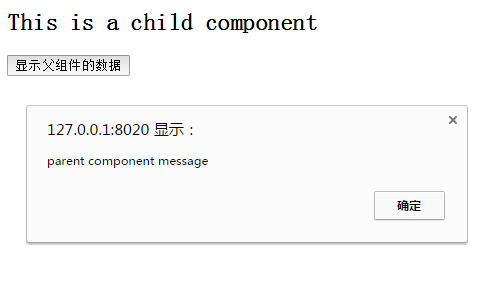
如開篇所提,不建議在子組件中修改父組件的狀態。
5.2.5 非父子組件通信
有時候非父子關系的組件也需要通信。在簡單的場景下,使用一個空的 Vue 實例作為中央事件總線:
var bus = new Vue()

// 觸發組件 A 中的事件
bus.$emit('id-selected', 1)

// 在組件 B 創建的鉤子中監聽事件
bus.$on('id-selected', function (id) {
  // ...
})
在更多復雜的情況下,可以考慮使用專門的 狀態管理模式。
以上就是本文的全部內容,希望對大家的學習有所幫助,也希望大家多多支持。
小編推薦
熱門推薦