JavaScript 物件導向知識串結:封裝、原型與繼承
編輯:關於JavaScript
學習 JavaScript 物件導向時,常會接觸到封裝、原型、繼承與多種建立物件模式。若只靠記憶,容易混淆。透過實作與圖解,能幫助理解。
物件與封裝
ECMA-262 將物件定義為無序屬性的集合,屬性可以是基本值、物件或函式。每個物件都基於某個引用類型建立。
構造函數模式可用 new 建立實例。
function Person(name, age) {
  this.name = name;
  this.age = age;
  this.sayName = function() {
    console.log(this.name);
  };
}
使用 new 時,會建立新物件、指定構造函數作用域、執行構造函數,最後回傳新物件。
原型模式
建立函式時,JavaScript 會為該函式建立 prototype 屬性。原型物件預設有 constructor 屬性,指向原函式。
function Person(name, age) {
  this.name = name;
  this.age = age;
}

Person.prototype.country = 'chinese';
Person.prototype.sayCountry = function() {
  console.log(this.country);
};
實例會透過內部指針 linked to 原型,因此能共享原型上的屬性與方法。
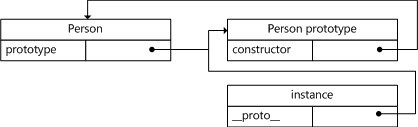
若原型上有引用類型,所有實例可能共享同一份資料,這是常見陷阱。
組合構造函數與原型
實務上常把實例屬性放在構造函數,把方法放在原型。
function Person(name) {
  this.name = name;
  this.friends = [];
}

Person.prototype.sayName = function() {
  console.log(this.name);
};
這樣每個實例都有自己的 friends,而方法則共用,能兼顧記憶體與資料獨立。
原型鏈繼承
讓子類別原型等於父類別實例,即可建立原型鏈。
function Parent() {
  this.pname = 'parent';
}

Parent.prototype.getParentName = function() {
  return this.pname;
};

function Child() {
  this.cname = 'child';
}

Child.prototype = new Parent();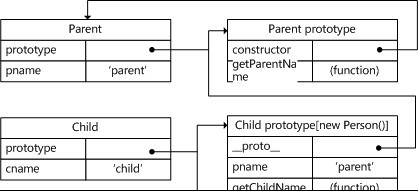
原型鏈的問題是,父類別中的引用類型可能被所有子實例共享。
組合繼承
組合繼承結合原型鏈與借用構造函數。原型鏈繼承方法,call 繼承屬性。
function Child(name) {
  Parent.call(this, name);
  this.age = 20;
}

Child.prototype = new Parent();
這種方式能避免引用屬性共享,但會呼叫父構造函數兩次。
寄生組合繼承
更理想的方式,是不呼叫父構造函數來建立子原型,而是複製父原型。
function extend(child, parent) {
  function F() {}
  F.prototype = parent.prototype;
  child.prototype = new F();
  child.prototype.constructor = child;
}
這種方式只呼叫父構造函數一次,兼顧效能與資料獨立,是較完整的繼承實作。