用 JS 生成 UUID 的方法實例
編輯:關於JavaScript
UUID 常用於建立唯一識別碼。在瀏覽器中,可以用 JavaScript 隨機產生字串,模擬 UUID 的格式。
function getUuid() {
  var chars = '0123456789abcdef'.split('');
  var uuid = [];
  for (var i = 0; i < 36; i++) {
    if (i === 8) {
      uuid.push('-');
    } else if (i === 13) {
      uuid.push('-');
    } else if (i === 18) {
      uuid.push('-');
    } else if (i === 23) {
      uuid.push('-');
    } else if (i === 14) {
      uuid.push('4');
    } else if (i === 19) {
      uuid.push(chars[Math.floor(Math.random() * 4) + 8]);
    } else {
      uuid.push(chars[Math.floor(Math.random() * 16)]);
    }
  }
  return uuid.join('');
}
這個方法會產生 36 個字元組成的字串,包含四個連字號,並符合常見 UUID 版本 4 的格式特徵。若只需要簡單的唯一值,也可以縮短長度或改用其他隨機策略。
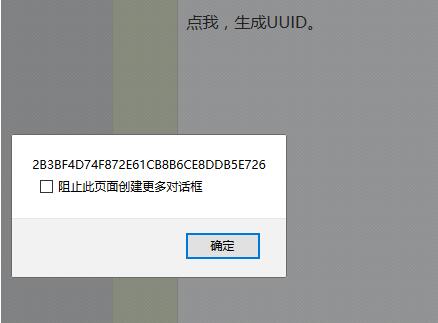
在實際專案中,若需要更嚴格的唯一性,建議搭配 timestamp、random 或 crypto API。但在一般前端場景中,這種純 JavaScript 寫法已足夠使用。
- 上一篇文章: js 實現全選與多選按鈕的方法
- 下一篇文章: 如何通過 js 實現圖片預覽功能
熱門推薦
JavaScript面向對象之方法(私有、靜態、公有與特權)
在光標位置插入文字:同時相容 IE 與 Firefox 的實作
用 JavaScript 一次搜尋百度與必應:雙引擎並列結果頁
圖片左右箭頭翻頁:onmousemove 與游標效果
alert() 使用技巧詳解:換行、變量拼接與樣式限制
JS 同步與非同步載入全解:script 屬性與引入方式
JavaScript 節點查找方法整理:getElementById、getElementsByTagName 與 getElementsByName
RequireJS 入門:從零跑起來的第一個範例
JavaScriptSerializer 序列化時間的處理示例